Best Recovery Tools for Home Workouts
Your muscles grow and strengthen during recovery, not during the workout itself. Without proper recovery, you risk injury, burnout, and stalled progress. These tools help you recover faster and feel better between sessions.
Why Recovery Matters
When you exercise, you create micro-tears in muscle fibers. Recovery is when your body repairs those tears, building the muscle back stronger. Without adequate recovery, you accumulate fatigue, increase injury risk, and actually get weaker over time.
The rule of thumb: If you're consistently sore for more than 48 hours after a workout, you're either working too hard or not recovering well enough. Address recovery before increasing intensity.
Foam Rollers

TriggerPoint GRID Foam Roller
The industry standard for self-myofascial release. The multi-density surface pattern mimics a massage therapist's hands, targeting knots and tight fascia. Use it on quads, hamstrings, IT band, calves, and upper back. Start with gentle pressure and gradually increase as your muscles adapt.
Resistance Bands for Recovery
Bands aren't just for building strength — they're excellent for rehabilitation and active recovery. Light resistance bands help with shoulder mobility, hip flexibility, and ankle stability.

Fit Simplify Resistance Bands Set
Use the lightest band for recovery exercises: band pull-aparts for shoulder health, clamshells for hip activation, and ankle dorsiflexion for foot/ankle mobility. The variety of resistance levels lets you progress from pure recovery to light strengthening.
Ab Wheel for Core Recovery

Perfect Fitness Ab Carver Pro
The wide wheel and ergonomic handles make this more comfortable than basic ab wheels. It's great for core activation during warm-ups (light reps) and for building core stability that protects your lower back during other exercises.
Kettlebell for Active Recovery

Amazon Basics Kettlebell
A light kettlebell (15-20 lbs) is perfect for active recovery days. Kettlebell halos, deadlifts, and gentle swings keep blood flowing to sore muscles without overloading them. The cast iron construction with a wide handle makes it comfortable for all grip styles.
Suspension Trainer for Mobility Work
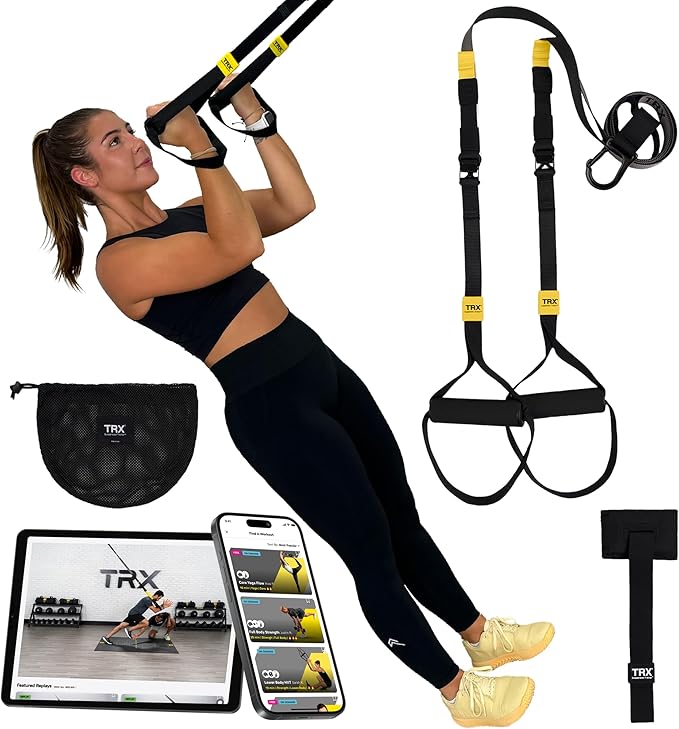
TRX GO Suspension Trainer
Suspension training is inherently joint-friendly because it allows natural movement patterns. Use it for assisted stretches, single-leg balance work, and low-impact rows and presses on recovery days. The portable design means you can anchor it to any door.
Recovery Routine
- Immediately after workout: 5 minutes of light movement (walking, easy cycling)
- Within 30 minutes: Protein-rich snack or meal
- Before bed: 10 minutes of foam rolling on worked muscles
- Rest days: Light activity — walking, yoga, or band work
- Weekly: One full rest day with zero structured exercise
Sleep: The Best Recovery Tool
No tool replaces sleep. Aim for 7-9 hours per night. During deep sleep, your body releases growth hormone and repairs muscle tissue. If you're only getting 5-6 hours, no amount of foam rolling will compensate.